Publication / Corporate governance
Revisiting Board Independence Mandates: Evidence from Director Reclassifications
Review of Finance , Volume 29, Issue 3, May 2025, Pages 747–777 Journal article
What director reclassifications reveal about the costs and benefits of board independence mandates.
Abstract
We provide causal evidence on the effects of mandated board independence. We compare firms that replace existing non-independent directors to firms that retain these directors by reclassifying them as independent. Reclassification eligibility, being largely predetermined, offers quasi-exogenous variation in compliance strategies. We show that firms required to replace insiders perform worse post-mandate, driven by increased operational costs and reduced labor efficiency. Boards of non-reclassifying firms retain fewer former employees and replace them with directors more likely to join monitoring-focused committees, emphasizing the shift from advising to monitoring. Overall, these findings suggest that firm-specific director expertise contributes materially to performance and is consistent with pre-mandate board compositions optimized to balance benefits of enhanced monitoring against costs of reduced advisory capacity. We rule out alternative explanations, including adjustment costs due to director turnover and co-option. Our study underscores the importance of allowing firms flexibility in governance structures and cautions against uniform mandates.
Figures
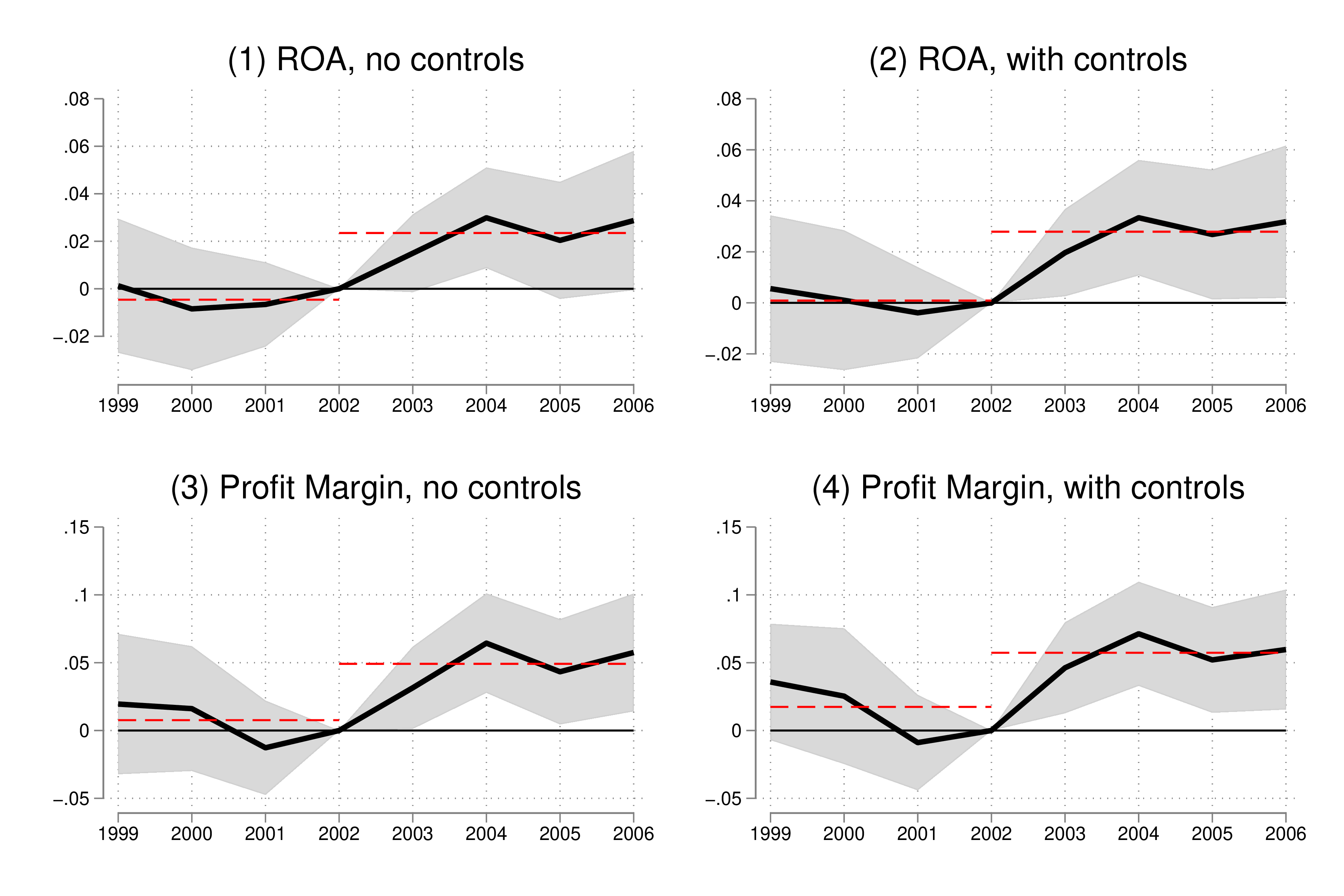
Firms that retain insider directors through reclassification outperform firms that replace them
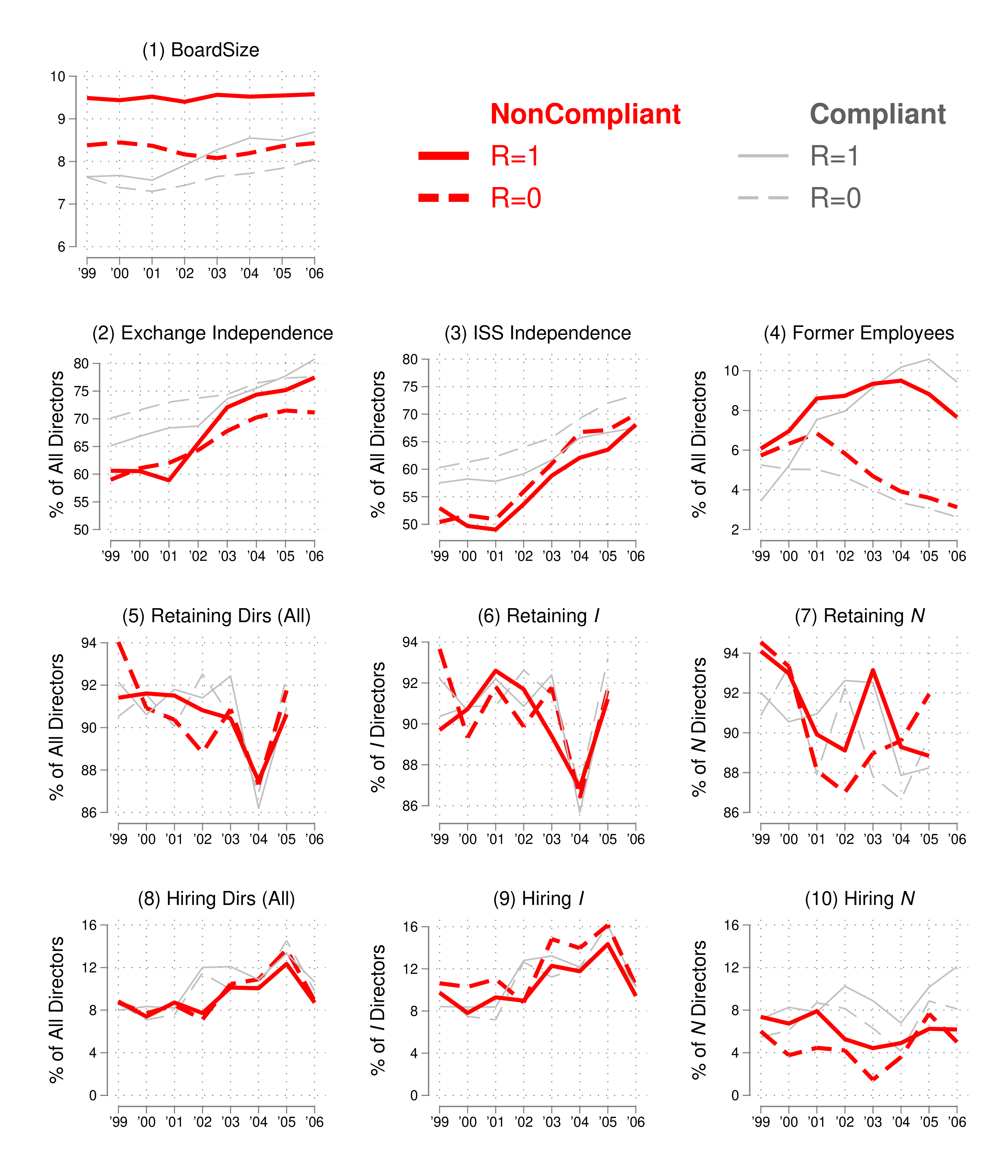
Reclassification preserves former employees’ board seats while increasing independence
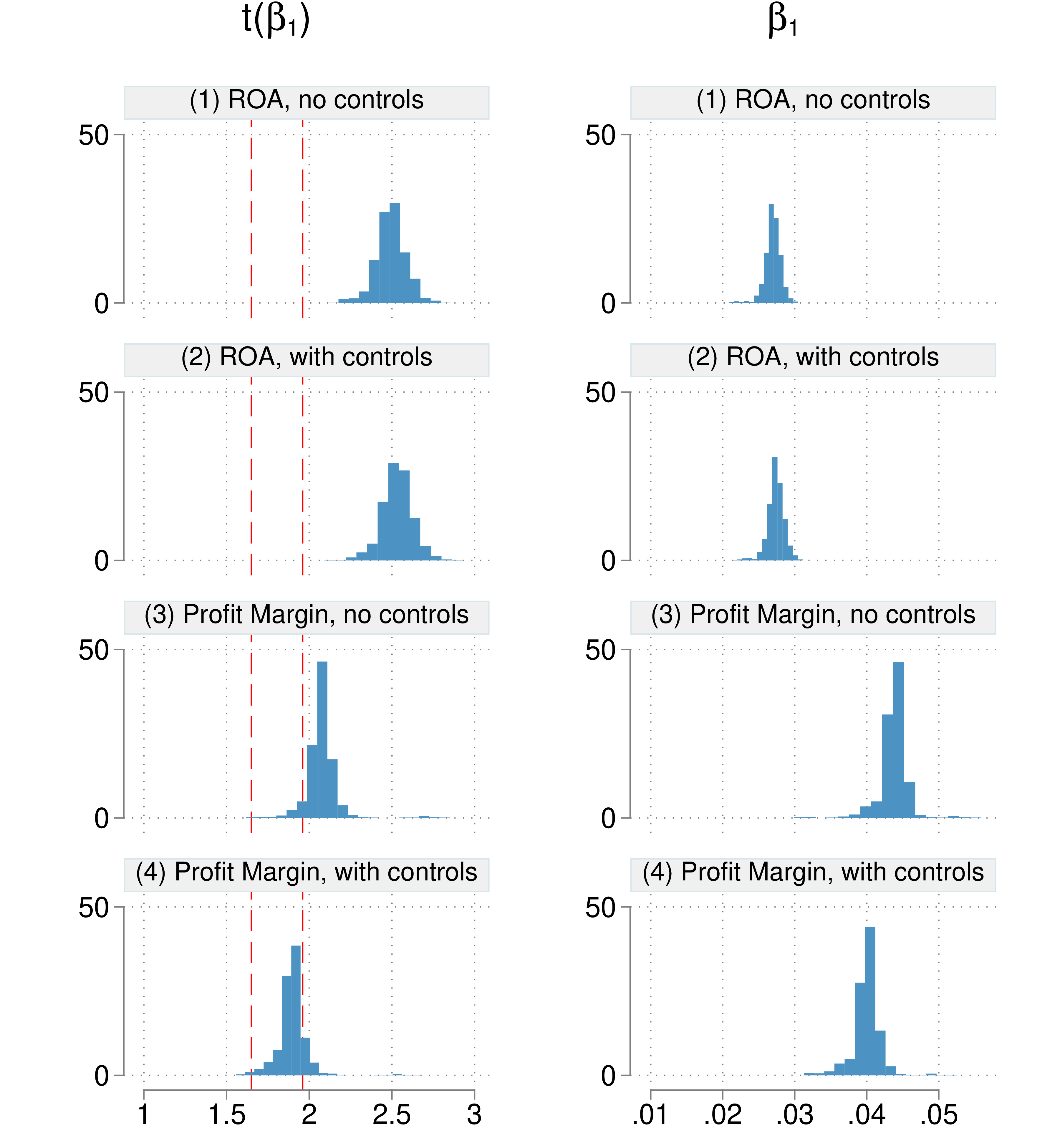
The profitability results are not driven by a handful of outlier firms
Links
Media & discussion
Notes
Previously titled “Were non-independent boards really captured before SOX?”