Publication / Innovation
Rapidly Evolving Technologies and Startup Exits
Management Science (2023) 69:2: 940-967 Journal article
How a startup’s position in the technology cycle shapes its path to an IPO or acquisition.
Abstract
This paper examines startups’ positioning within technological cycles. We use patent text to measure whether innovation pertains to a technological area that is rapidly evolving or stable. We show that innovation in rapidly evolving areas (i.e., early in the cycle) substitute for existing technologies, whereas innovation in stable areas (i.e., later in the cycle) complement them. Our new measure is distinct from existing characterizations of innovation and is economically important. We find that startups in rapidly evolving areas tend to exit via IPO, thus remaining independent, consistent with technological substitution. In contrast, startups in stable areas tend to sell-out, consistent with technological complementarity and synergies.
Figures
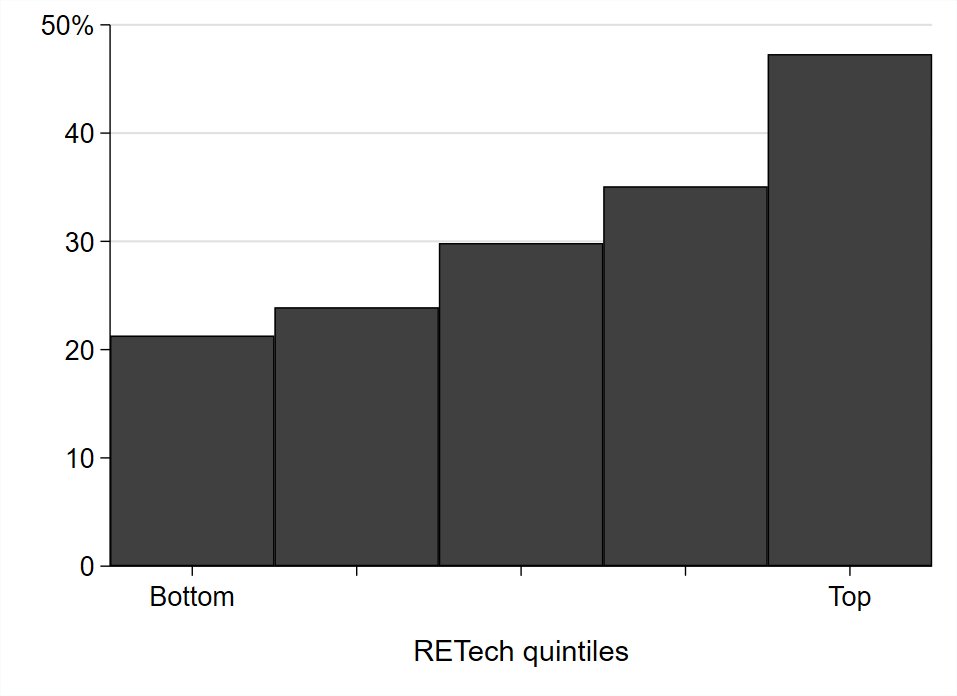
Startups in rapidly evolving technologies are more likely to exit through IPOs
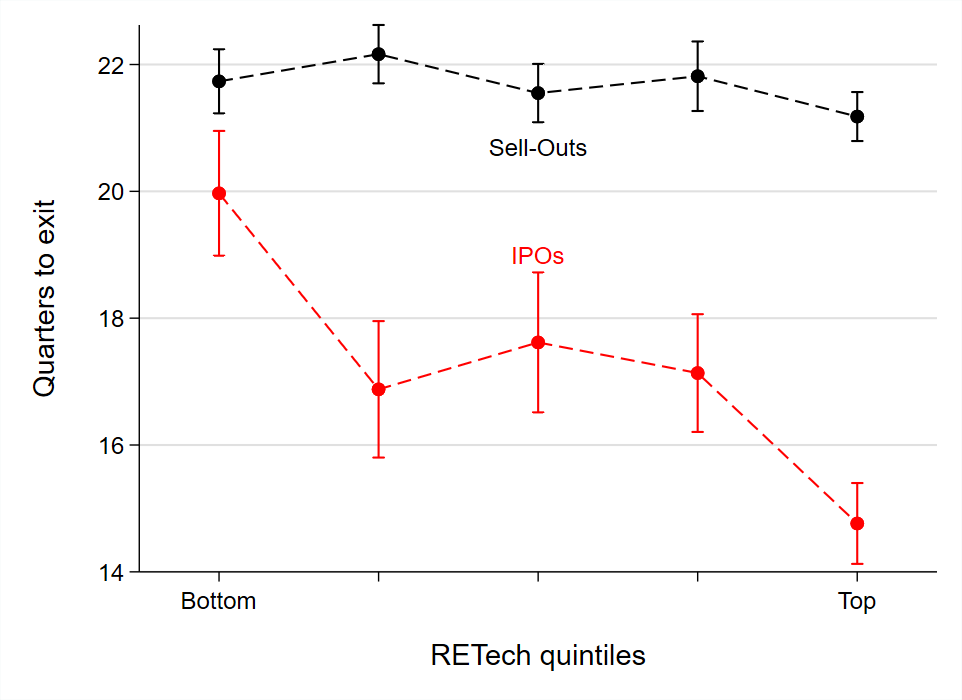
High-RETech startups reach IPO sooner, without a similar speedup in sell-outs
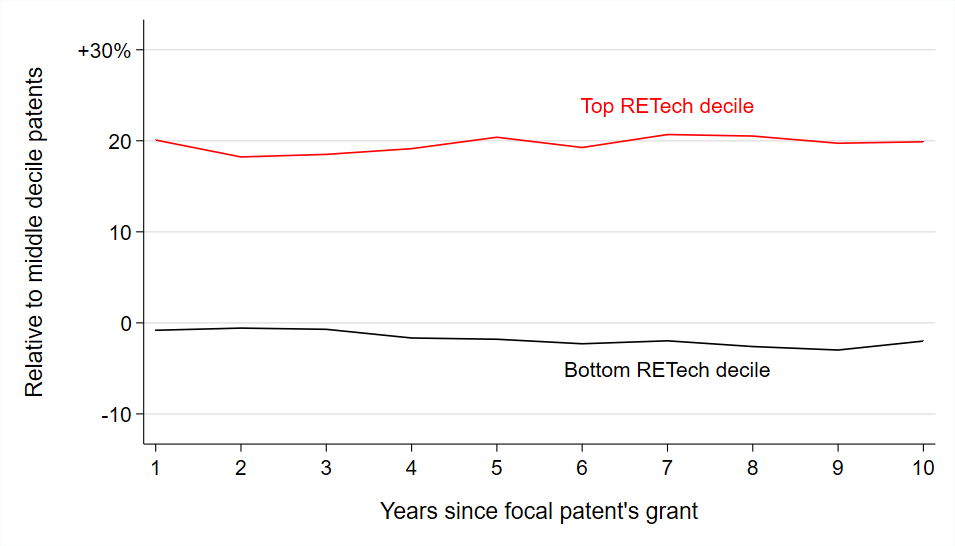
High-RETech patents are cited in place of their predecessors
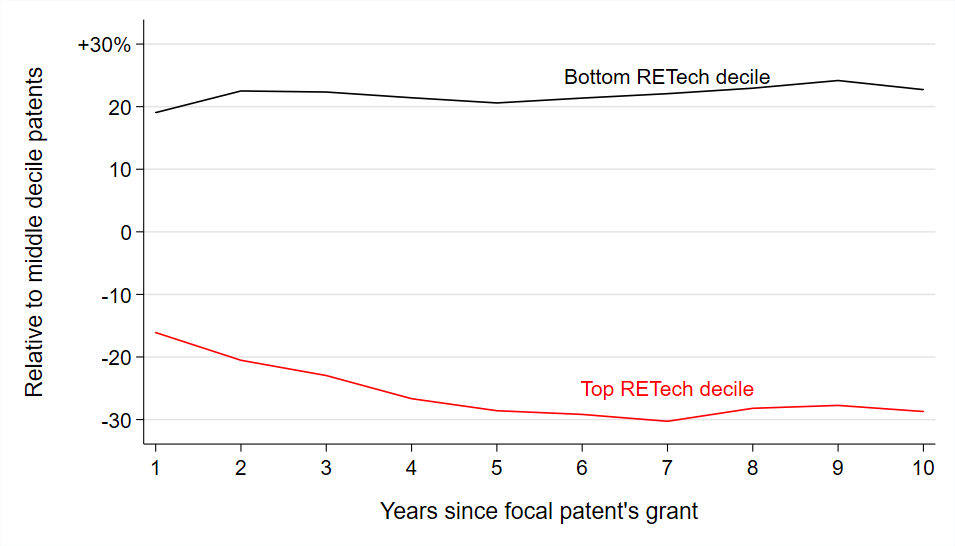
Low-RETech patents tend to complement earlier technologies
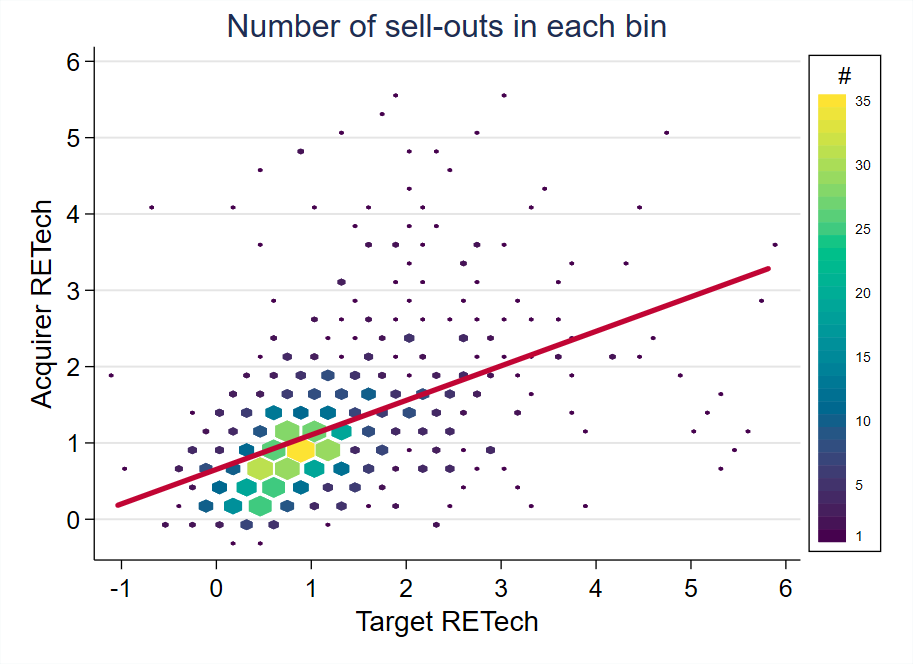
Acquisitions tend to pair startups and buyers at similar technological stages
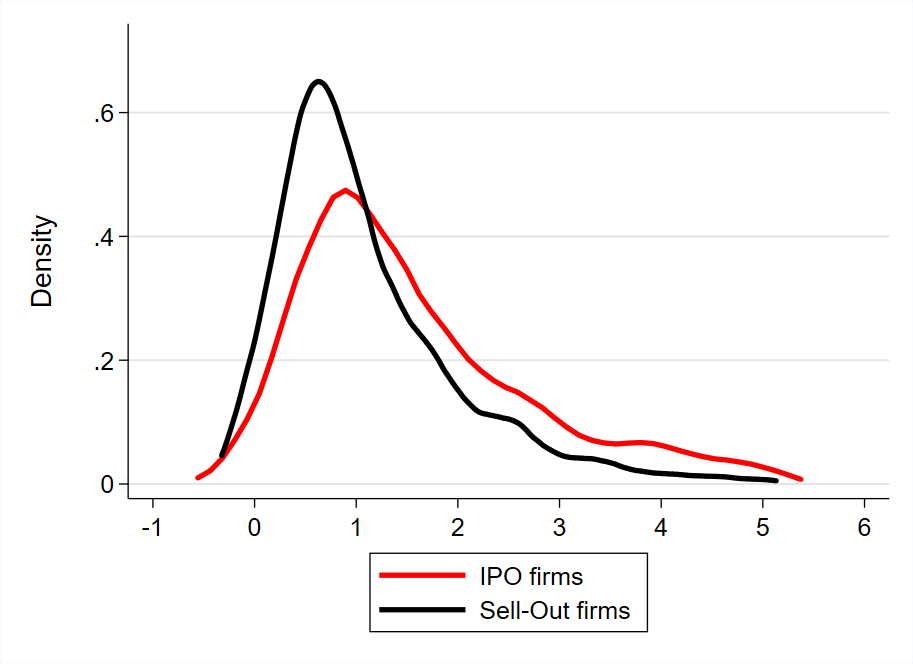
Startups going public tend to hold higher-RETech patents than those selling out
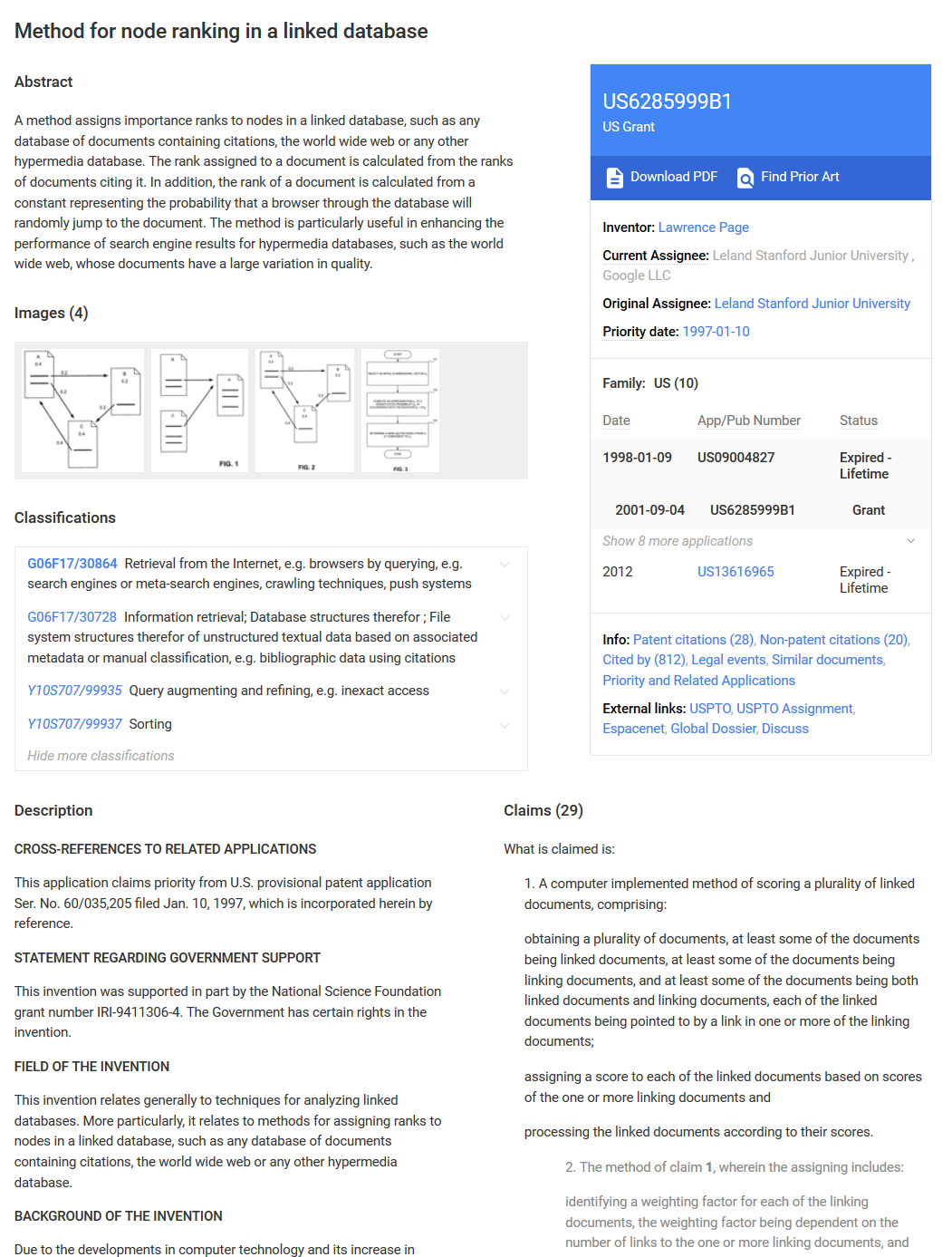
Google’s PageRank patent illustrates the invention text behind the technology measures
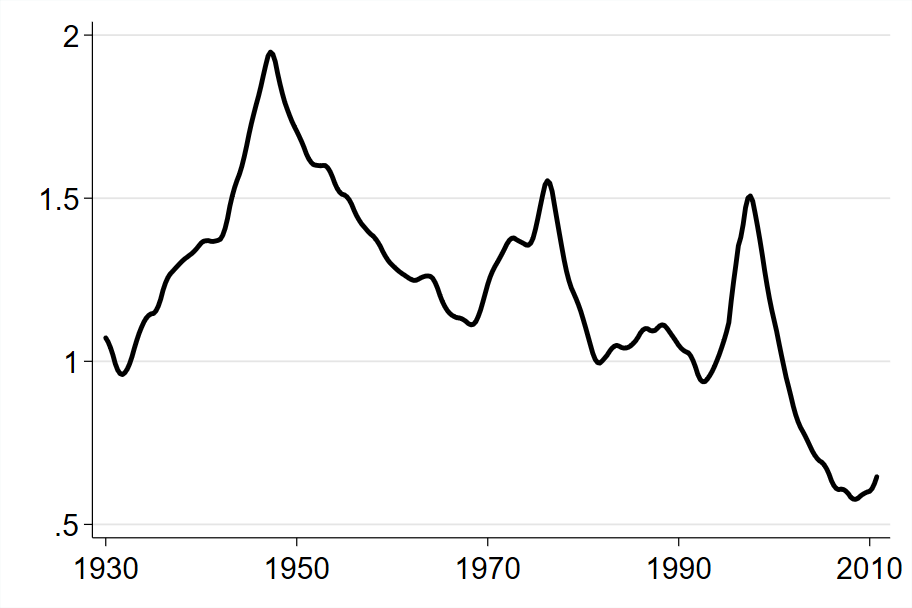
RETech captures successive waves of technological change
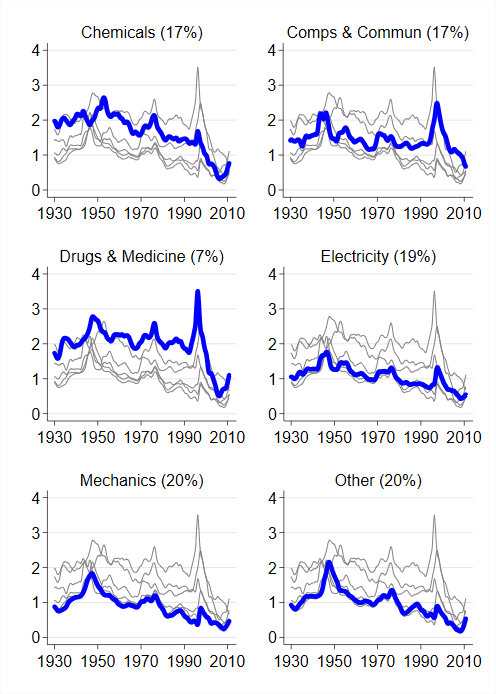
The timing of technological waves differs across fields
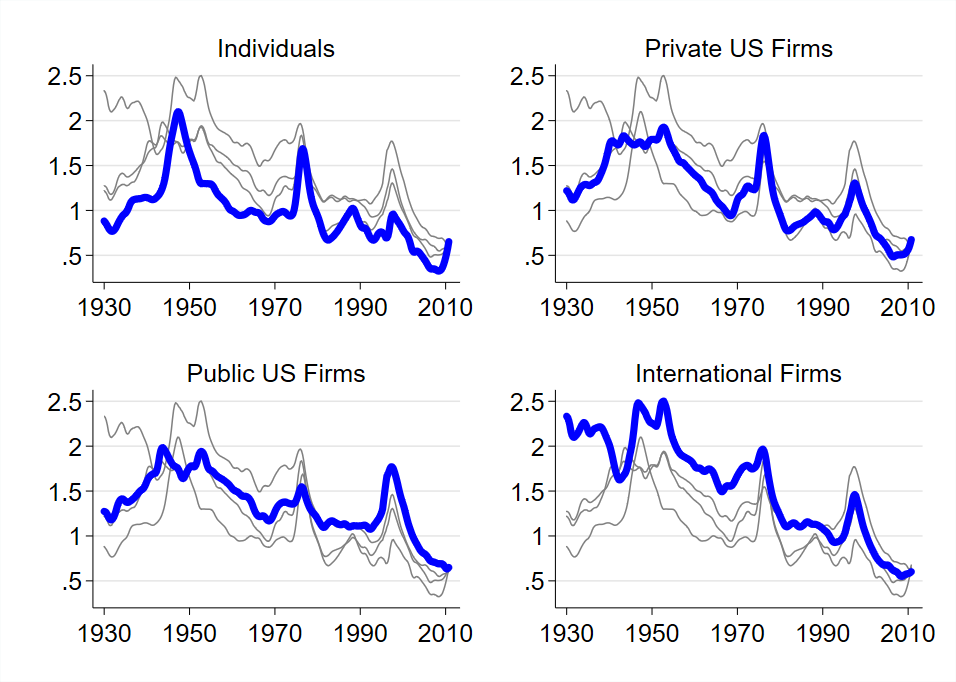
Waves of technological change appear across different types of patent owners
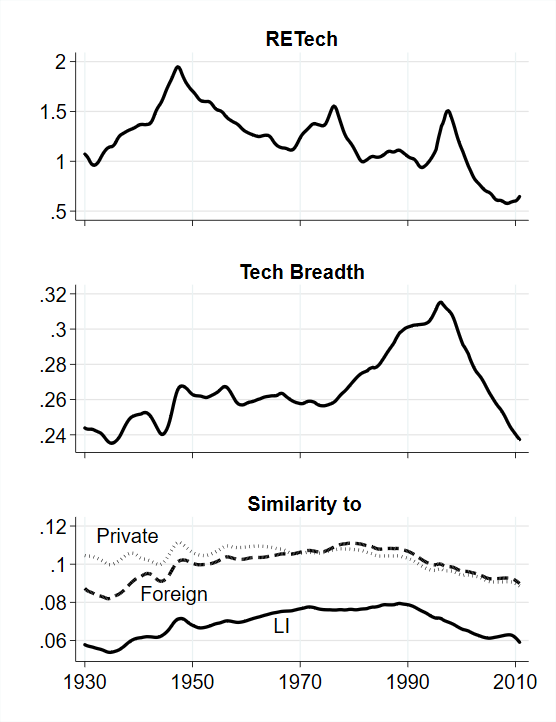
Technological change and technological breadth follow distinct historical patterns
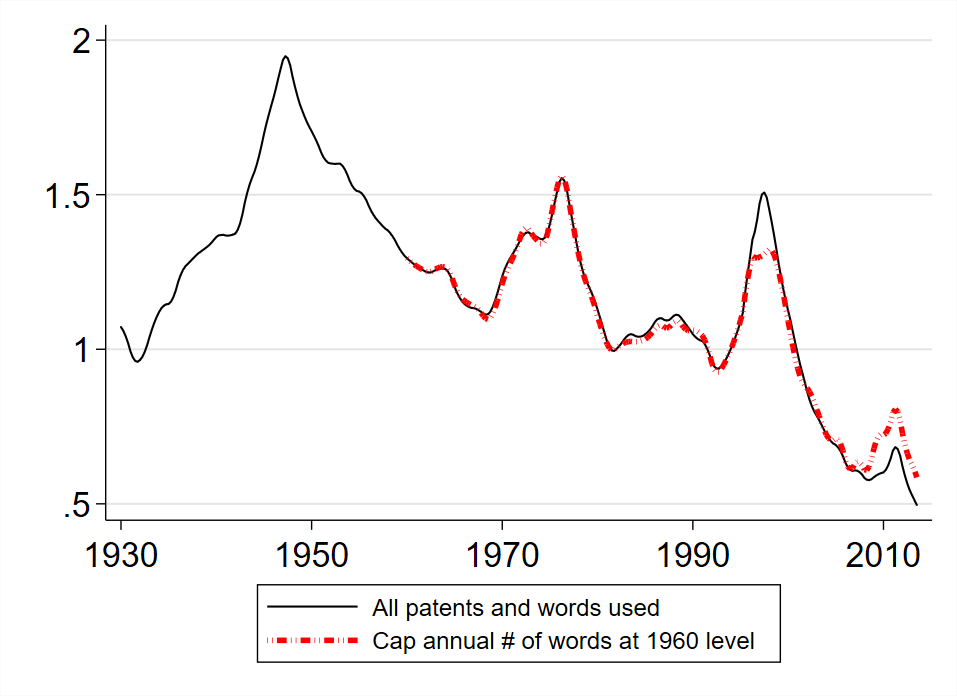
Growth in patent vocabulary does not explain the RETech cycle
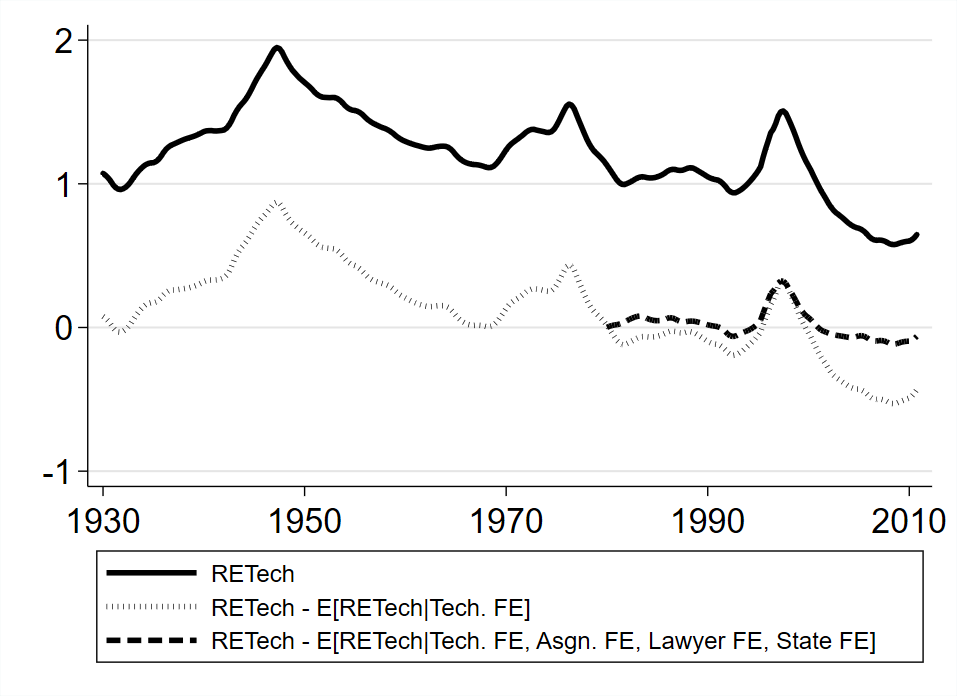
Technology waves remain after accounting for patent-field and owner differences
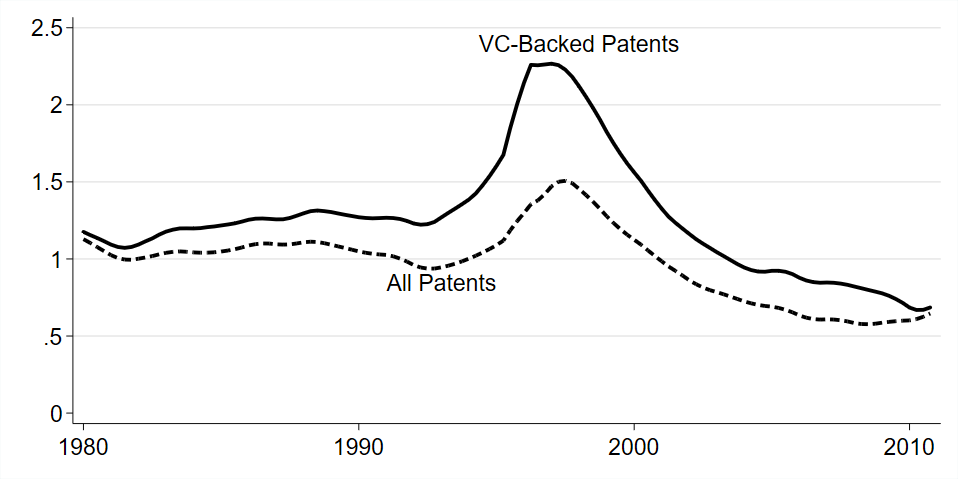
VC-backed startups were especially exposed to the 1990s technology wave
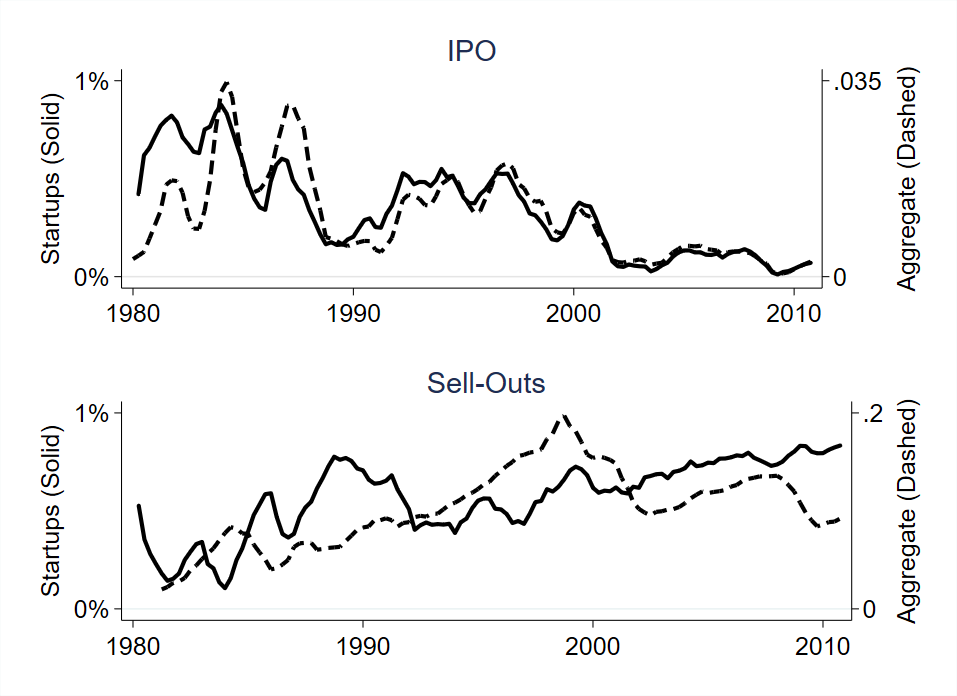
Startup exits broadly follow aggregate IPO and acquisition cycles